


Sometimes, the best way to improve internal communications is to communicate less.
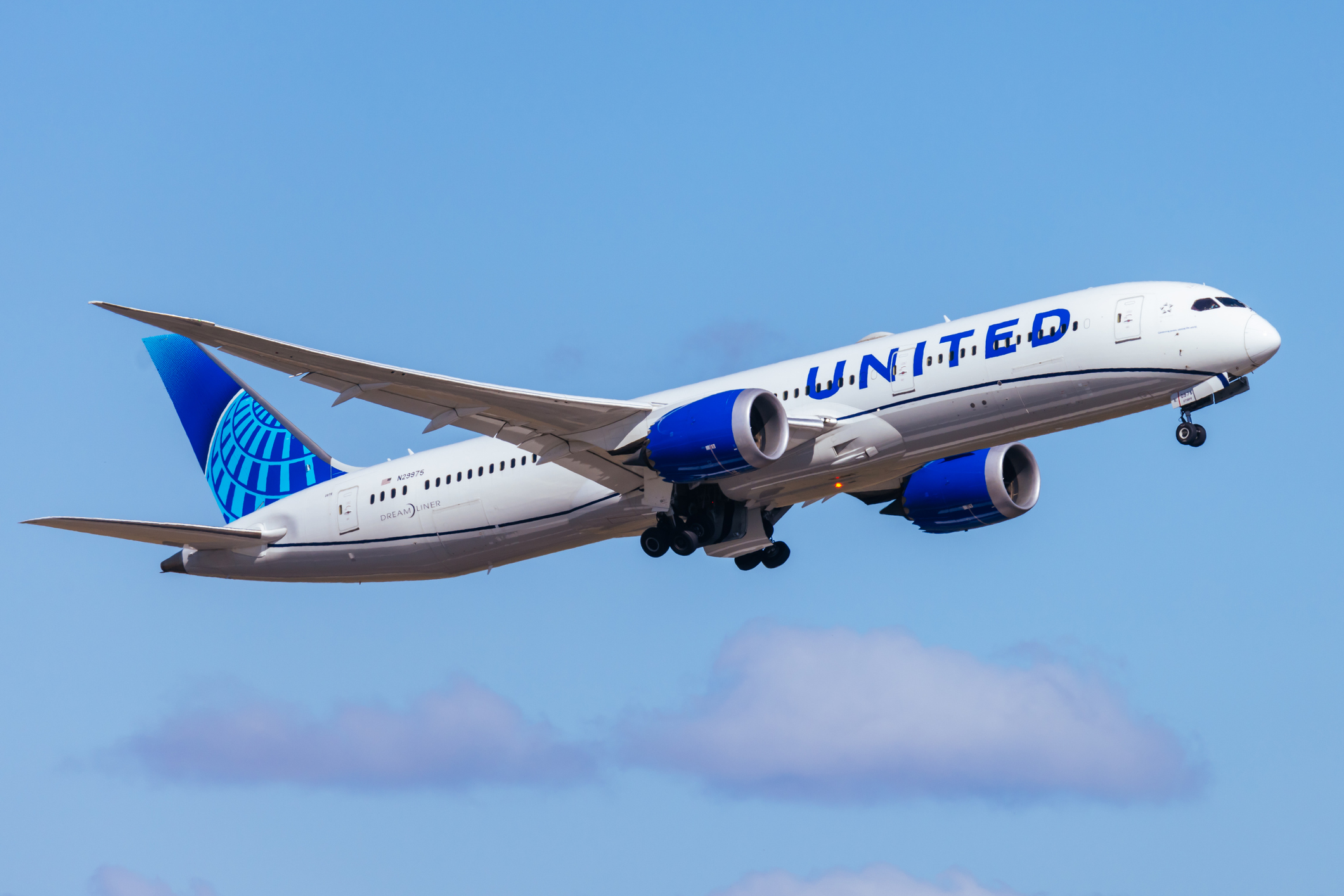
In recent years, United Airlines has focused on putting this idea into practice. Earlier feedback from internal research indicated employees were struggling with information overload, according to Dana Brooks Reinglass, chief storyteller and managing director of employee communications at United Airlines.
As Reinglass put it, the main response to the company’s volume of messages was: “Too much.”
How does United Airline approach employee segmentation?
United Airlines has more than 110,000 employees working in dozens of roles across multiple time zones. Given this complexity, a one-size-fits-all approach to keeping everyone informed doesn’t make sense, as many people would receive countless messages that have nothing to do with their day-to-day work.
One way United Airlines has reduced the amount of irrelevant content appearing in each employee’s inbox is by dividing its workforce into 32 distinct audiences. This includes groups such as pilots, engineers, gate agents and flight attendants.
“Our communications philosophy is fit-for-purpose versus one-size-fits-all,” said Reinglass. “Each one of our workgroups is unique and has individualized communications approaches. Typically, there’s not going to be one standard communication that resonates with each of these groups.”
Now, United Airlines sends relevant information only to the employees who need it.
“Giving them targeted communications that are meaningful has been a game changer,” said Reinglass.
Through internal surveys and focus groups, United has also learned the preferred mode of communication among the various employee groups, adding to its strategy of making each message more effective.
Customer solutions and advocacy employees, for example, benefit from a tool called SnapComms, which displays pop-up messages on their desktop computers, rather than requiring them to sort through a backlog of emails before beginning their shift or after a long absence.
“If you’ve been on vacation for a few days, you no longer need to cycle through messages that are no longer critical,” said Reinglass. “Employees know where they can go to get current information.”
The company’s research also shows that some employees prefer to hear information in-person from their manager, while others appreciate display screens in the break room that run through a loop of slides.
How does United Airlines use dynamic content in its messaging?
Another way United Airlines has tried to reduce how much information it sends to everyone is by making certain messages and newsletters more dynamic, meaning different employees see different versions.
On an international flight, for example, all flight attendants might receive a reminder about a new customer service initiative, but the lead flight attendant, known as the purser, might receive an extra section within the same message.
This same approach extends beyond flight crews. Rather than sending separate monthly messages from airport leaders in major hubs, United is working toward a single newsletter framework that automatically displays the appropriate local leader’s message based on where an employee works. For example, only employees based in Houston will see the Houston leader’s message.
“We’ve been able to consolidate and we’re always looking for opportunities to do that where it makes sense,” said Reinglass.
How does United Airlines fine-tune its communications strategy with data?
Ultimately, Reinglass explained, the goal isn’t simply to communicate less — it’s to communicate better. It requires efforts to slow down, streamline and, in some cases, simply stop sending certain messages.
Rather than rely on vibes and anecdotes, United continues to evolve its approach with a variety of pulse surveys, feedback loops and employee listening tools.
“All the things that help us understand how our employees are connected to our content,” said Reinglass.
Each monthly leadership message now ends with an option for employees to select either a “thumbs up” or “thumbs down” to rate how helpful the message was.
As Reinglass put it: “Over the last few years, the shift has really moved from ‘Did employees receive the message?’ to ‘Did the comm build understanding, did it drive action, did it improve sentiment?’ That’s our goal.”