

When Karina Frayter joined Greyhound in June 2024, the company’s communications function wasn’t in a great place.
The team was largely stuck playing a supportive role, responding to inquiries and helping with individual announcements. Comms was untethered from any underlying business objectives.
To make matters worse, the news media, rather than Greyhound, was doing more to define the narrative around travelling by bus. The results weren’t always pretty.
“We were more in a reactive role rather than shaping our own story and explaining what was happening within the company in a proactive way,” said Frayter, head of corporate affairs and marketing at Flix North America, the parent company behind Greyhound.
When Flix, a German travel technology company, bought Greyhound in October 2021, this began to change, according to Frayter, who has a background in broadcast journalism at CNN and CNBC. The acquisition marked the beginning of a broader business transformation.
With support from the new leadership team, Frayter got to work reshaping the comms function as a strategic advisor that supports the company’s goals.
One approach to achieving this mission was to encourage members of the team to adopt a newsroom mindset geared toward generating more media placements aimed at influencing the brand’s reputation.
Soon enough, Greyhound began to have success with landing the following types of media stories:
- Executive profile
One of the first big pieces the team landed was a Bloomberg profile of Flix’s Chief Financial Officer Christoph Debus.
While the 30-minute video doesn’t focus on Greyhound, it does present Flix as a tech-forward company that’s reshaping the travel industry.
“I secured this to really position intercity bus and our company, Flix, as an innovator and leader in the business,” said Frayter.
- Employee profile
On a similar note, an ABC owned-and-operated station in Philadelphia profiled Crawford Lassiter, a Greyhound driver and instructor who’s been with the company for more than 40 years.
Media hits like this, Frayter explained, “highlights the people behind the brand and builds a more human connection with customers and communities.”
- Thought leadership
Another way Greyhound is taking control of its narrative is through thought leadership.
On The Hill, Kai Boysan, chief executive office of Flix North America, argued that while intercity buses, such as Greyhound, are an essential part of America’s transportation network, they are routinely excluded from publicly funded transportation hubs. Congress, he added, should strengthen federal law to guarantee fair and reasonable access to those facilities.
Advocacy and education of this sort, Frayter noted, helps readers think of intercity buses as a “legitimate, affordable, smart, modern” means of transportation.
- Niche topics for trade publications
On CX Dive, a digital publication dedicated to covering customer experience, an article about Greyhound covered how the company has improved its on-time rates and connections to public transportation, boosting its net promoter score.
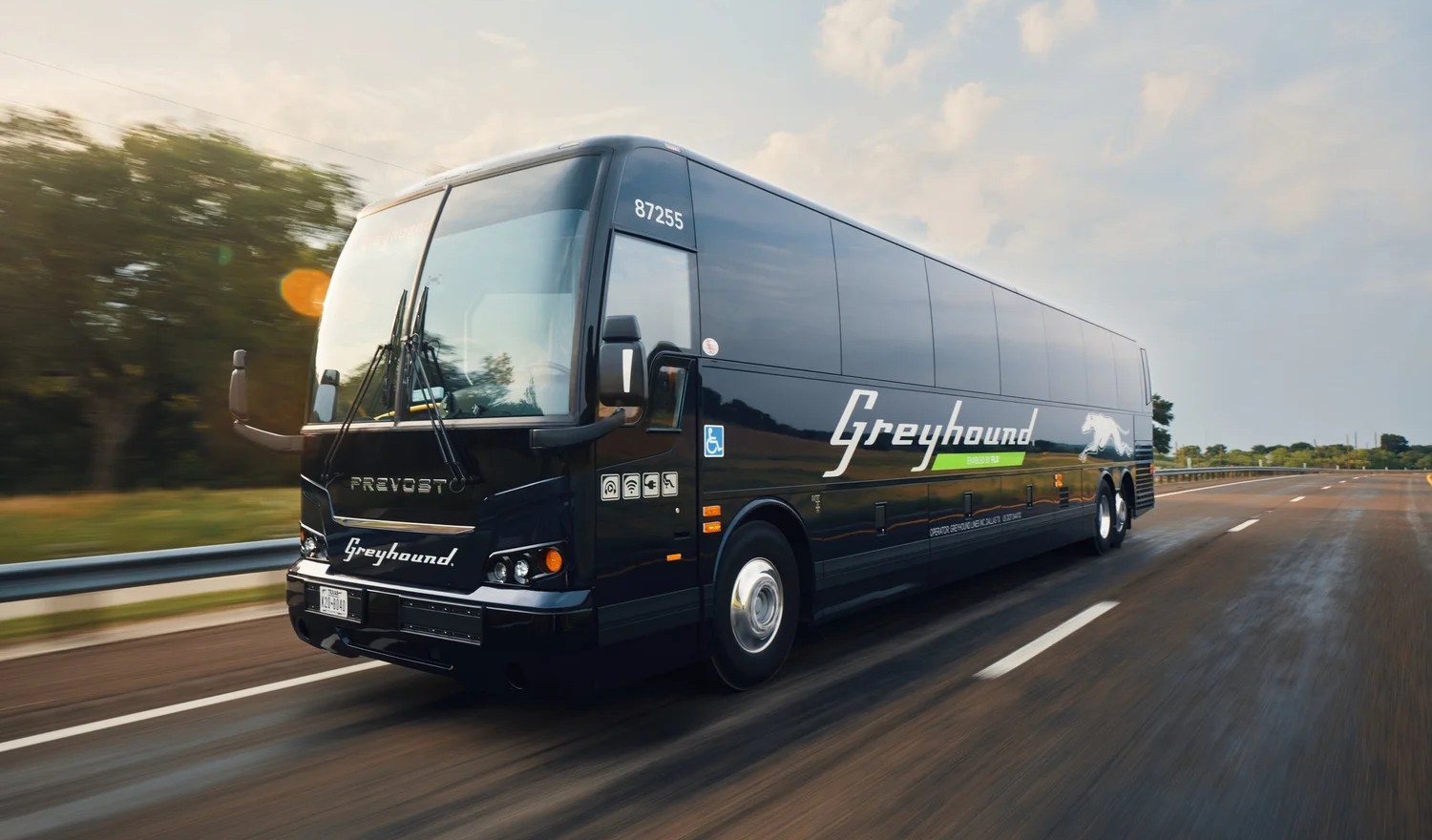
Likewise, Adweek ran a story highlighting patriotic packaging for America’s 250th anniversary. The piece included a section on Greyhound’s America 250 Fleet, which were wrapped in vinyl and displayed the phrase “From Sea to Shining Sea.”
A spokesperson used the opportunity to note in Adweek that, “buses have played, and continue to play, an essential role in enabling mobility in this country.”
The strategy here was to reach new, professional audiences through creative storytelling that showcases Greyhound as a modern brand that’s continuing to evolve.
- Newsjacking
Greyhound hasn’t shied away from more conventional media placements that tie to the news of the day, either.
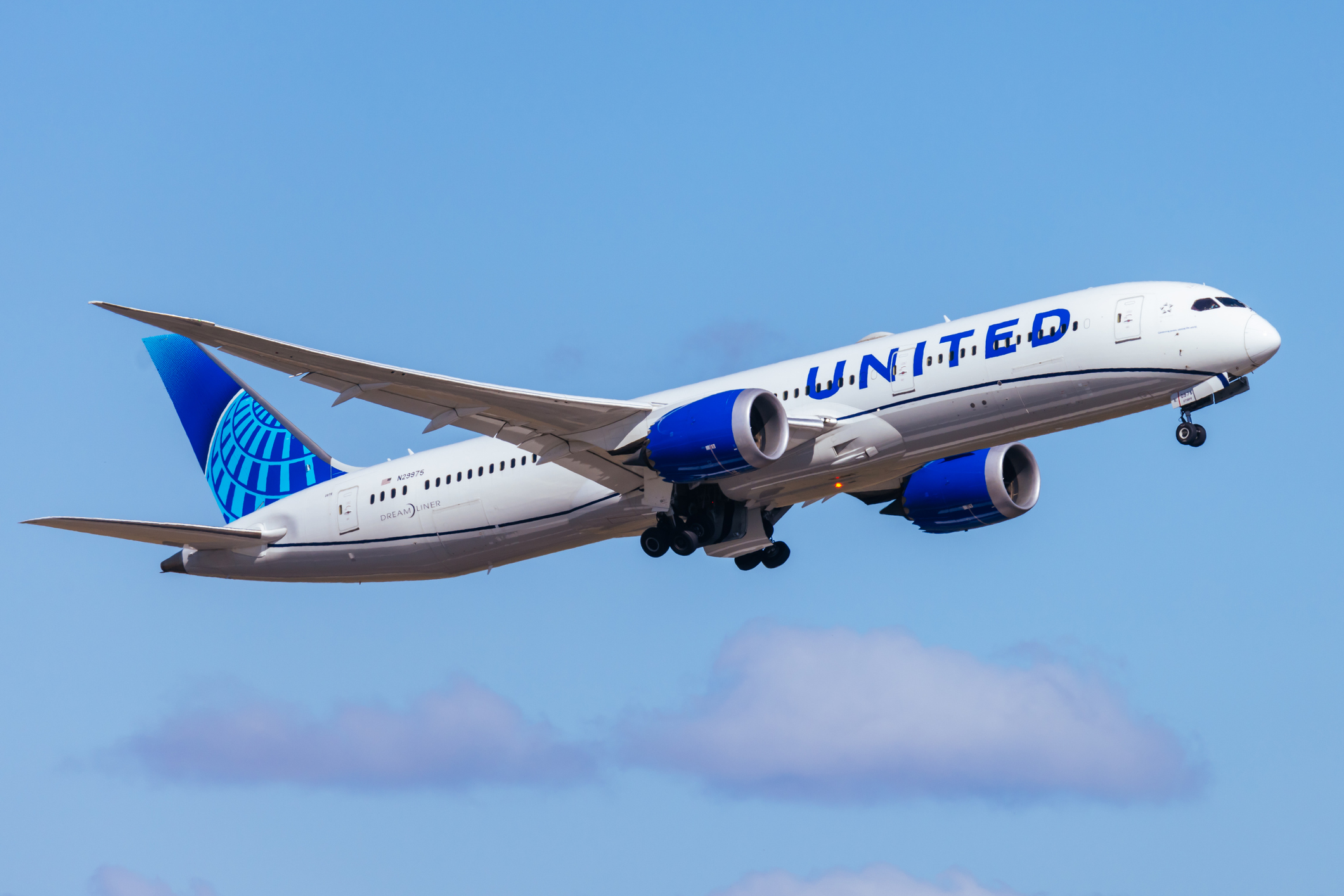
A story on the Wall Street Journal, for example, explains how the decline of Spirit Airlines has been a boost for Greyhound, as budget-conscious consumers still need to travel.
Frayter, who pitched the story idea to the Journal, noted a top-tier placement like this has turned more people on to the idea of taking the bus as a travel option.
Another story on USA Today explains how Greyhound prepared for a surge in travel across the U.S. during the FIFA World Cup.
A long-term game
“As I always tell my team, media relations is a long-term game,” said Frayter, who noted her team had to initially overcome skepticism from reporters about the relevancy and prominence of bus travel.
One sign of success from her team’s ongoing efforts at pitching the media: “We now have inbound interest,” said Frayter, “which is just fantastic.”