
Greetings, comms pros! Let’s take a look at a few news stories from the last week and see what we can learn from them.
1. United CEO tells employees he approached American about a merger “to do something incredible”
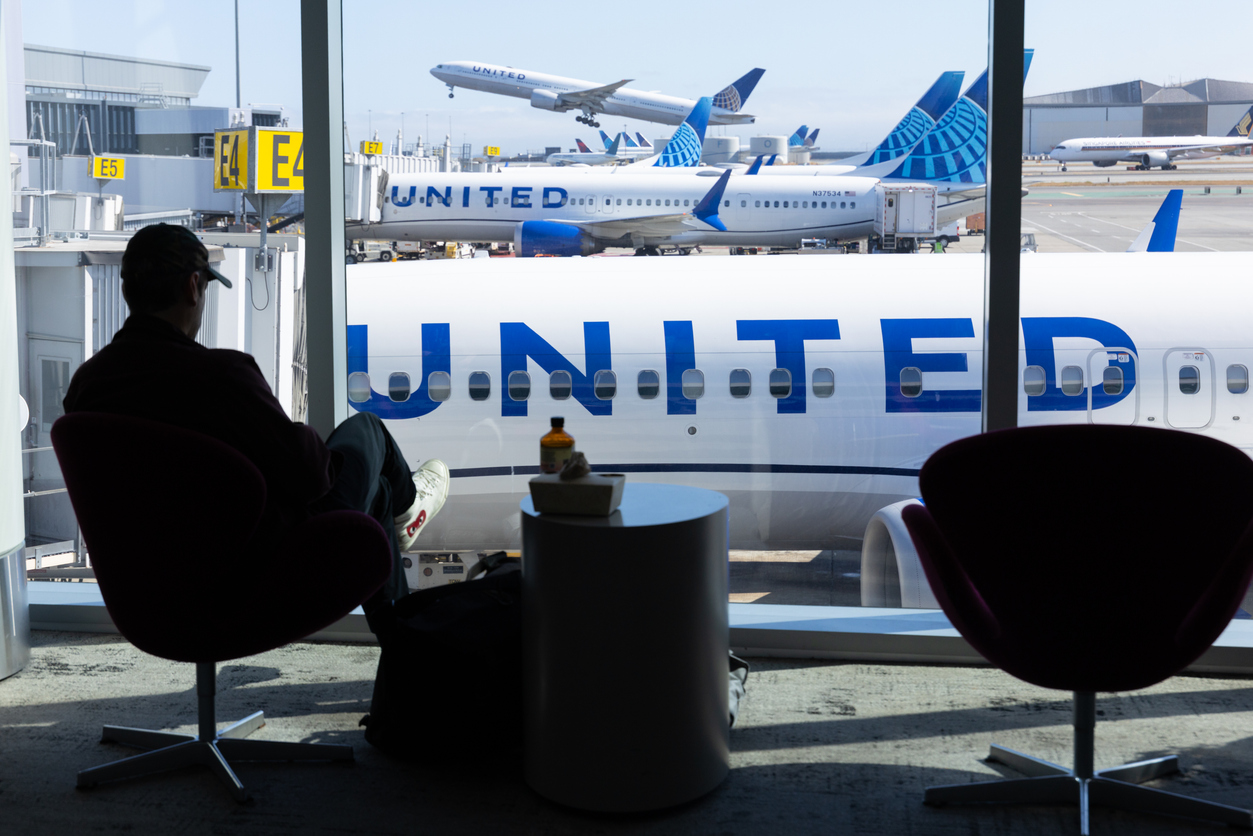
United chief Scott Kirby told employees in a memo that he approached American Airlines to explore a potential merger because he felt it could be an “incredible” move for both employees and customers. While he conceded that the move won’t happen any time soon due to American’s unwillingness to explore the idea and the regulatory hurdles involved, he outlined his logic.
To start, it’s clear the strategy United has been implementing over the last several years is winning: building a brand loyal airline by de-commoditizing travel, investing in the customer experience and creating value for every customer no matter where they are sitting.
In the simplest terms, combining United and American could: 1) scale and grow that winning, customer-focused approach, 2) unlock incredible, new opportunities for both airlines’ customers, employees and the communities we serve and 3) create a great, new U.S. airline with the scale to compete and lead around the globe.
He added that although there’s not going to be a merger any time soon, employees should feel confident in United’s path forward anyway.
We have a winning strategy, a culture of innovation and 115,000 of the best aviation professionals in the world working together to deliver for our customers. While the airline industry has always been dynamic and unpredictable (it’s one of the reasons that I love this business), United’s future is brighter than it’s ever been.
Kirby’s memo attempts to pull double-duty by both addressing employee concerns about the explored merger and using language that frames the ambition of the move positively. By using phrases that center on the company’s growth potential, Kirby’s note signals to employees that leadership is looking out for the health of the organization. Additionally, the memo closes by reinforcing the viewpoint that what United is doing is already working for employees and customers, and that leadership is always on the hunt for moves that will put United in the strongest position. By addressing employees (and the public) about the merger exploration, Kirby reinforces the company’s stability and leaves them informed about what’s going on rather than unsettled at a major potential change.
2. Disney uses managers to reinforce AI use for employee support
Disney is trying to get its employees to use AI more after investing heavily in the technology, and it’s sending the message through its managers.
According to a report by Business Insider, a high-ranking software engineer at the company got an email from their manager after only using AI tools once over the span of a month.
“I want to make sure the investment we’ve made in these tools actually translates into support for you,” the engineer’s manager said in a message viewed by Business Insider.
“Adoption has been uneven across the organization, and I want to make sure everyone feels equipped and supported to get real value from these tools — not just access to them,” the manager’s note said.
“I think there’s a genuine opportunity for you to use Al to make your work faster, higher quality, and higher impact,” the manager said. “My goal is to make sure nothing is quietly getting in the way of that.”
The report added that Disney has a leaderboard for employee AI usage to further encourage AI use and so employees can track their progress in comparison with their colleagues.
Disney’s use of managers to push AI use by its employees shows that they’re both encouraging experimentation and expecting employees to use the tech that company has invested in. By using words like “supportive” and “nothing getting in the way,” Disney frames AI as a benefit for employees. But the fact that the manager’s initial contact came after a period of low AI usage shows that the company is keeping track of AI adoption. Sending the message through managers adds a touch of personalization while reinforcing accountability and the priorities Disney has established for its employees, while avoiding any punitive tone for those who might be lagging.
3. Fidelity institutes full-time RTO for Boston employees in the name of better collaboration
Fidelity Investments is calling thousands of employees at its Boston-based headquarters back to their desks five days a week in the name of improved connection. According to statements obtained by Boston.com, Fidelity is instituting the move in September and will open a new office in Downtown Boston to accommodate all corporate employees.
“Fidelity’s belief is that being physically together creates more opportunities for a meaningful associate experience filled with connection, mentorship, and learning — elements that are central to our long-term success,” the financial company said in a statement.
The move replaces a hybrid schedule instituted in 2024 that required employees to be on-site two out of every four weeks. Before the pandemic, they needed to be in the office one week out of every four weeks a month.
“Fidelity is continuously evolving its ways of working and physical footprint, including plans to continue hiring and increase capacity across our regions to ensure we provide the best products and services for our customers,” the company’s statement added.
Fidelity’s RTO statement has the hallmarks of many communications that signal to employees it’s time to get back to their desks — talk of connection and the ability to collaborate. But what’s notably absent is any justification for why the move is happening now and why five days a week was the decision that leadership ultimately made. By keeping the messaging matter-of-fact and centered on the company’s success, this RTO communication frames the return to the office as a standard practice rather than something that’s open to debate and a two-way dialogue.
4. How about some good news?
Have a great weekend comms all-stars!
Sean Devlin is an editor at Ragan Communications.