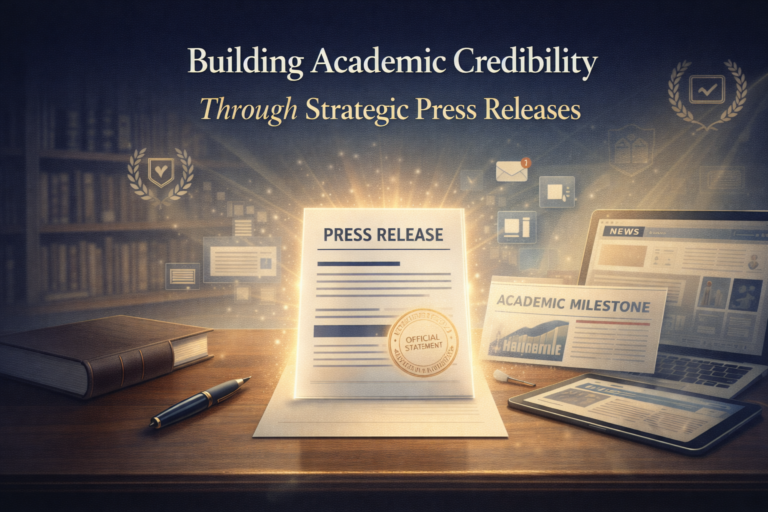





Introduction
Startups are built on ideas, ambition, and speed, but they are sustained by credibility. In the early stages of growth, founders must convince customers to buy, investors to fund, partners to collaborate, and employees to join—often before long-term proof of success exists. Public relations plays a central role in bridging this credibility gap.
Despite the proliferation of social media, podcasts, newsletters, and founder-led branding, press releases remain highly relevant in 2026. For startups in particular, a press release offers something that no tweet or blog post can fully replicate: third-party validation and formal recognition. In an environment crowded with bold claims and unverified narratives, press releases continue to serve as a structured, credible way for startups to introduce themselves to the market.
Why the Startup Industry Needs Press Releases
Startups face a unique communication challenge. Unlike established companies, they often lack brand recognition, long operating histories, and public trust. At the same time, they operate in competitive ecosystems where attention is limited and skepticism is high.
Press releases help startups overcome this challenge by providing a formal and standardized channel to communicate important developments. Media outlets, analysts, and industry observers view press releases as vetted sources of information, especially when distributed through reputable platforms or cited by journalists.
Startups also operate under intense scrutiny once they begin raising capital, handling user data, or disrupting regulated industries. Structured media communication becomes critical to ensure accuracy, consistency, and transparency. A well-crafted press release allows a startup to control its narrative at key moments, rather than reacting to speculation or fragmented coverage.
Key Use Cases for Press Releases in the Startup Ecosystem
Product and Platform Launches
For early-stage startups, a product launch is often the first major public milestone. Press releases help explain the problem being solved, the market context, and the startup’s approach without relying on promotional language. This structured explanation is especially valuable for journalists and industry analysts seeking clarity.
Funding Announcements
Seed rounds, Series A funding, and strategic investments are among the most common reasons startups issue press releases. These announcements signal market validation and financial backing, helping build confidence among customers, partners, and potential hires.
Strategic Partnerships and Expansions
Collaborations with established companies, geographic expansions, or entry into new markets are credibility-enhancing moments for startups. Press releases allow these developments to be communicated formally and accurately, reinforcing legitimacy.
Leadership Appointments and Team Growth
Announcing experienced leadership hires or advisory board members can strengthen a startup’s reputation. Press releases help contextualize these appointments and highlight governance maturity.
Crisis Communication and Clarifications
Startups are not immune to challenges such as product outages, security concerns, or public criticism. In such moments, a press release provides an authoritative way to clarify facts, explain actions taken, and demonstrate responsibility.
Types of Press Releases Commonly Used by Startups
Several press release formats are particularly relevant in the startup context.
Launch press releases introduce the company or its core offering to the market. These releases focus on clarity, relevance, and differentiation rather than scale.
Funding press releases announce capital raises, often including investor perspectives and strategic intent. Accuracy and transparency are critical to avoid misinterpretation.
Milestone and growth announcements highlight user adoption, revenue benchmarks, or operational achievements. These releases help demonstrate traction without overstating success.
Partnership and collaboration releases communicate alliances that enhance credibility and market reach.
Founder or leadership announcements provide insight into the people behind the company, reinforcing trust and accountability.
Benefits of Press Releases for Startup Brands
Building Instant Credibility
For startups, credibility is often borrowed before it is earned. Media coverage driven by press releases lends third-party validation that owned channels cannot achieve on their own. Being cited by reputable publications signals legitimacy to stakeholders.
Supporting Investor and Stakeholder Confidence
Investors expect startups to communicate clearly and professionally. Press releases demonstrate discipline, transparency, and readiness for scale—qualities that matter beyond the product itself.
Strengthening SEO and Online Presence
A well-optimized press release for startup industry audiences contributes to long-term search visibility. Press releases published on credible platforms often rank highly, shaping how a startup appears in search results during critical growth phases.
Creating a Public Record of Progress
Press releases act as a documented timeline of a startup’s journey. This public record supports due diligence, partnership discussions, and future fundraising efforts.
Aligning Internal and External Messaging
As startups grow, misalignment between teams can create confusion. Press releases help establish a single source of truth, ensuring consistency across internal communications, media interactions, and public channels.
Industry-Specific Best Practices for Writing Startup Press Releases
Clarity should guide every startup press release. Founders often operate close to their product and may assume familiarity that external audiences do not share. Press releases should explain concepts clearly, avoiding jargon or unverified claims.
Tone matters. While enthusiasm is natural, startup press releases should remain factual and measured. Overly ambitious language can undermine credibility and attract skepticism.
Timing is also critical. Press releases should align with genuine milestones rather than speculative plans. Announcing outcomes, not intentions, builds trust.
Accuracy must be prioritized. Even small factual errors can damage a young company’s reputation. Quotes, data points, and claims should be carefully verified.
Including context and relevance helps journalists understand why the announcement matters. A press release should answer not just what happened, but why it is significant within the broader industry.
Common Press Release Mistakes to Avoid in the Startup Sector
One of the most common mistakes is excessive self-promotion. Press releases that read like marketing copy are often ignored by journalists and can harm credibility.
Another issue is poor targeting. Sending highly technical startup announcements to general media outlets reduces impact and wastes opportunities. Effective media relations require thoughtful audience selection.
Announcing premature milestones is another risk. Overstating growth, partnerships, or traction can lead to credibility loss if claims cannot be substantiated later.
Finally, many startups fail to follow up. A press release should be the beginning of a media conversation, supported by founder availability and consistent messaging.
Real-World Example: Using Press Releases to Signal Market Readiness
A B2B software startup preparing for a Series A round issued a press release announcing a major enterprise customer onboarding and a senior industry hire. The release focused on operational readiness, customer outcomes, and leadership experience rather than future projections.
The announcement was referenced by trade media and shared among investor networks, helping position the startup as execution-focused and mature. The key takeaway was that targeted, factual press releases can significantly enhance perceived readiness without aggressive promotion.
How to Distribute Press Releases for Maximum Startup Impact
Distribution strategy is crucial for startups with limited brand recognition. Press releases should be shared with startup-focused media, industry publications, and relevant trade outlets.
Press release distribution platforms can help extend reach, but direct outreach to journalists covering the startup’s sector often yields stronger results.
Maintaining a simple, accessible newsroom on the company website is also important. Journalists and investors frequently look for official announcements, founder bios, and company background in one place.
Conclusion: Press Releases as a Credibility Foundation for Startups
For startups, credibility is not built overnight. It is earned through consistent, transparent, and professional communication. Press releases remain one of the most effective tools for achieving this, offering structure, legitimacy, and third-party validation.
In a digital landscape saturated with noise, the discipline of issuing a well-crafted press release signals seriousness and accountability. A thoughtful press release for startup industry audiences does more than generate coverage—it establishes trust, documents progress, and supports long-term growth.
Ultimately, while products evolve and channels change, the strategic value of press releases for startups remains constant. They are not a legacy tool, but a credibility foundation—one that continues to support startups as they move from idea to institution.