



Introduction
Education has always been deeply connected to public trust, community engagement, and institutional credibility. Schools, colleges, universities, and EdTech companies operate in an environment where decisions influence students, parents, educators, regulators, and society at large. Clear and responsible communication is therefore not a peripheral activity—it is a strategic necessity.
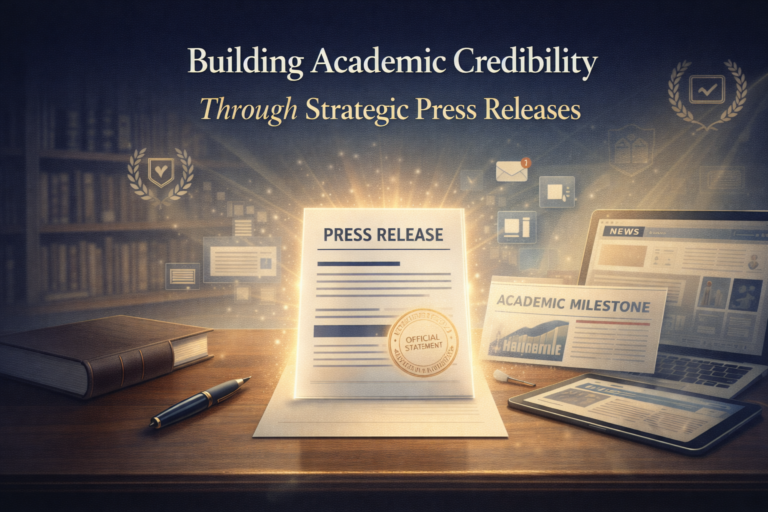
In 2026, even as social media, email campaigns, and learning platforms dominate day-to-day outreach, press releases remain one of the most reliable tools for formal communication in the education sector. A well-structured press release for education industry organizations provides clarity, accountability, and permanence. It ensures that important developments are communicated accurately, consistently, and in a format that media, policymakers, and stakeholders trust.
Why the Education Industry Needs Press Releases
The education sector faces distinct challenges that make structured communication especially important. Trust is foundational. Parents must trust schools with their children, students must trust institutions with their future, and governments must trust organizations with funding, accreditation, and policy alignment.
Educational institutions also operate under varying degrees of regulation and public oversight. Policy changes, curriculum updates, fee structures, accreditation outcomes, and admissions processes are often subject to scrutiny. Press releases allow institutions to communicate these developments transparently, reducing confusion and misinformation.
For EdTech brands, credibility is an even greater challenge. Digital learning platforms must demonstrate educational value, data responsibility, and alignment with academic standards. Press releases help EdTech companies present verified information in a neutral, journalistic format rather than relying solely on promotional messaging.
Internationally, education communication is often shaped by frameworks promoted by organizations such as UNESCO and national education authorities. Press releases help institutions align public messaging with broader educational goals and policy expectations.
Key Use Cases for Press Releases in Schools, Colleges & EdTech
Academic Programs and Curriculum Launches
Introducing new courses, degree programs, certifications, or skill-based modules requires careful explanation. Press releases help institutions communicate learning outcomes, eligibility criteria, and academic relevance without exaggeration or marketing bias.
Institutional Announcements and Milestones
Schools and colleges frequently announce campus expansions, infrastructure upgrades, leadership appointments, rankings, or accreditation milestones. A press release ensures these updates are communicated formally and reach education reporters, local media, and policy stakeholders.
Admissions, Results, and Academic Achievements
Admissions timelines, examination results, scholarships, and student achievements are highly sensitive topics. Press releases provide a neutral and factual channel to share such information, minimizing misinterpretation and rumors.
Crisis Communication and Public Issues
Education institutions are not immune to crises—data breaches, campus safety incidents, policy disputes, or operational disruptions. During such moments, a clear press release acts as an official statement, helping institutions retain control over the narrative while demonstrating accountability.
Thought Leadership and Educational Impact
EdTech brands and academic institutions often contribute to discussions on pedagogy, digital learning, employability, and future skills. Press releases supporting research findings, surveys, or expert commentary help position organizations as credible voices in education discourse.
Types of Press Releases Commonly Used in the Education Sector
Several press release formats are particularly relevant to schools, colleges, and EdTech companies.
Academic and program announcement releases focus on new offerings, curriculum updates, or partnerships. These typically emphasize academic value, alignment with standards, and long-term outcomes.
Accreditation and compliance releases communicate recognition by education boards, universities, or regulatory authorities. Accuracy and proper attribution are critical, as such releases may be reviewed by regulators and parents alike.
EdTech product and platform updates explain feature rollouts, pilot programs, or institutional collaborations. These releases should clearly differentiate between educational impact and commercial intent.
Student success and community impact releases highlight achievements, outreach programs, or social initiatives. When handled carefully, these releases strengthen institutional reputation without appearing self-congratulatory.
Benefits of Press Releases for Education Brands
One of the most significant benefits of press releases is enhanced credibility. Journalists, policymakers, and education analysts rely on press releases as primary sources of verified information. This credibility cannot be replicated through informal social media posts alone.
Press releases also support long-term online reputation management. Media coverage generated through press releases often ranks highly in search results, ensuring that accurate and authoritative information represents the institution or brand online.
For schools and colleges, press releases build confidence among parents and students by demonstrating transparency and professionalism. For EdTech brands, they signal maturity, compliance awareness, and educational seriousness—qualities that are essential when operating in a trust-sensitive sector.
Additionally, press releases help maintain consistent communication across diverse stakeholders, including educators, investors, partners, and regulators.
Industry-Specific Best Practices for Writing Education Press Releases
Tone is critical in education communication. Press releases should be informative, respectful, and factual. Overly promotional language can undermine academic credibility and invite skepticism.
Clarity is equally important. Education-related announcements often affect large and diverse audiences. Avoid jargon where possible, and clearly explain timelines, eligibility criteria, and implications.
Data and claims must be verifiable. Whether discussing learning outcomes, placement statistics, or platform performance, institutions should rely on audited data, academic validation, or expert commentary.
Timing also plays a strategic role. Education announcements should align with academic calendars, examination cycles, policy changes, and admission seasons to ensure relevance and media interest.
Common Press Release Mistakes to Avoid in the Education Sector
A frequent mistake is treating press releases as marketing brochures. Education stakeholders are highly sensitive to exaggerated claims, especially around rankings, outcomes, or job guarantees.
Another common issue is poor media targeting. Sending academic research updates to lifestyle reporters or local operational updates to national media reduces effectiveness and credibility.
Ignoring regulatory and ethical considerations can be particularly damaging. Education institutions must ensure compliance with disclosure norms, child protection policies, and data privacy regulations.
Finally, many organizations overlook follow-up engagement. Press releases should be supported with spokesperson availability, FAQs, and consistent messaging across official platforms.
Real-World Example or Mini Case Study
Consider an EdTech company partnering with a group of public schools to pilot a digital literacy program. Instead of promoting the initiative through advertising alone, the company issued a joint press release with participating schools.
The release clearly outlined program objectives, pilot duration, evaluation metrics, and the role of educators. Media coverage focused on educational impact rather than commercial intent. As a result, the program gained credibility with parents, education departments, and potential institutional partners.
The key takeaway is that transparency and collaboration, communicated through a formal press release, can significantly enhance trust in education initiatives.
How to Distribute Press Releases for Maximum Impact in Education
Effective distribution requires careful channel selection. Education press releases should be shared with education correspondents, local and national news outlets, academic publications, and policy-focused media.
Press release distribution platforms can extend reach, but they should be complemented by direct media outreach and institutional newsroom updates.
Maintaining a well-organized media section on institutional websites—containing press releases, leadership bios, and factual resources—helps journalists verify information quickly and accurately.
Conclusion: Strategic Role of Press Releases in Schools, Colleges & EdTech
Press releases continue to play a strategic role in education because they balance trust, transparency, and institutional responsibility. In a sector where credibility directly influences enrollment, partnerships, and public perception, disciplined communication is essential.
For schools, colleges, and EdTech brands, a thoughtful approach to press releases for education industry communication supports long-term reputation building rather than short-term visibility. As education evolves alongside technology and policy, press releases remain a cornerstone of responsible and credible public communication.