




Introduction
Non-governmental organizations (NGOs) exist to create social value, not commercial profit. Yet, in an increasingly competitive attention economy, even the most impactful missions can struggle to be heard. While social media has become a dominant communication channel for NGOs, relying on it alone is no longer sufficient to build credibility, influence public discourse, or drive sustained action.
In 2026, press releases remain a cornerstone of effective NGO communication. Far from being outdated, they provide structure, legitimacy, and media access that social platforms cannot consistently deliver. For NGOs navigating donor scrutiny, public accountability, and complex stakeholder ecosystems, a press release strategy is not an optional add-on—it is a strategic necessity.
Why the NGO Sector Needs More Than Social Media
Social media excels at immediacy and engagement, but it also comes with limitations. Algorithms control visibility, content lifespan is short, and credibility is often diluted by misinformation and noise. For NGOs operating in sensitive areas such as humanitarian aid, healthcare, education, climate action, or human rights, these limitations can undermine trust.
NGOs are often accountable to donors, institutional funders, regulators, and international bodies such as the United Nations. These stakeholders expect verified information, transparency, and formal documentation of activities and outcomes. A tweet or Instagram post, while useful for engagement, does not fulfill these expectations.
Press releases offer NGOs an official, verifiable communication format that complements social media rather than competing with it. They create a reliable record of facts and decisions that journalists, policymakers, and partners can reference with confidence.
The Strategic Role of Press Releases in NGO Communication
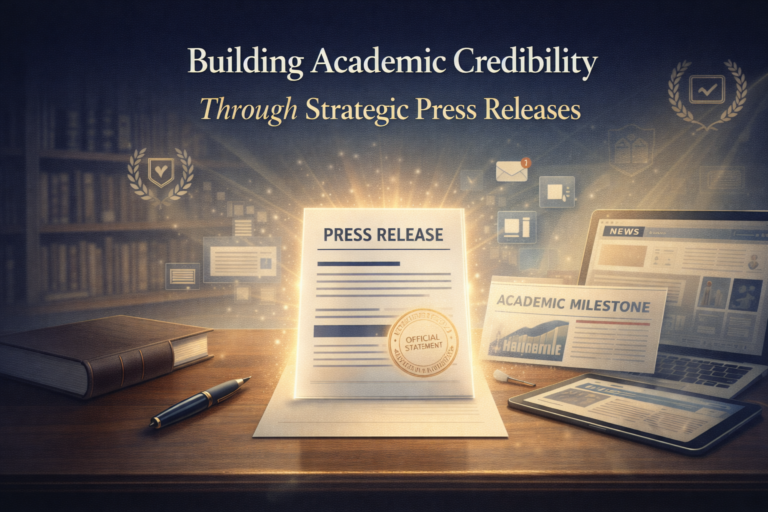
A press release is not just a news announcement. It is a strategic communication tool that helps NGOs shape narratives, manage reputation, and influence public understanding of complex issues.
Press releases provide clarity where social media often simplifies. They allow NGOs to explain context, outline impact, disclose funding details, and articulate long-term goals. This depth is essential in sectors where oversimplification can lead to misunderstanding or skepticism.
Moreover, press releases serve as a bridge between NGOs and traditional media. Journalists rely on them as credible sources for reporting, analysis, and investigation. Without a press release strategy, NGOs risk being excluded from mainstream conversations that shape public opinion and policy.
Key Use Cases for Press Releases in NGOs
Program and Campaign Launches
When NGOs launch new programs, advocacy campaigns, or community initiatives, press releases help communicate purpose, scope, and beneficiaries. This ensures accurate media coverage and positions the organization as a serious and accountable actor.
Funding, Grants, and Partnerships
Transparency around funding is critical in the NGO sector. Press releases announcing grants, donor partnerships, or institutional support help build trust and demonstrate responsible resource management.
Impact Reporting and Milestones
NGOs are evaluated by outcomes, not revenue. Press releases highlighting milestones, annual impact results, or evaluation findings translate data into credible public narratives that reinforce effectiveness.
Crisis Communication and Public Accountability
From operational challenges to reputational risks, NGOs must respond quickly and clearly during crises. Press releases provide a controlled and authoritative way to address concerns, correct misinformation, and reaffirm ethical standards.
Types of Press Releases Commonly Used by NGOs
Several press release formats are particularly relevant for non-governmental organizations.
Program announcement releases introduce new initiatives or expansions. Impact and results releases share measurable outcomes, beneficiary reach, or progress over time. Partnership releases announce collaborations with governments, foundations, or peer organizations.
Advocacy and policy releases articulate positions on social, environmental, or humanitarian issues, often aligned with global observances or legislative developments. Governance and leadership releases disclose board appointments, executive changes, or structural updates, reinforcing transparency and professionalism.
Across all formats, NGOs must clearly distinguish between objectives and achieved results, avoiding exaggerated claims or ambiguous language.
Benefits of a Press Release Strategy for NGOs
Credibility and Media Trust
Press releases establish NGOs as reliable sources of information. Journalists are more likely to cover organizations that provide clear, factual, and well-documented updates, leading to consistent earned media coverage.
Balanced Communication Ecosystem
A press release strategy ensures NGOs are not dependent on social media algorithms for visibility. It creates a stable communication foundation that supports long-term reputation management.
SEO and Discoverability
Press releases contribute to an NGO’s digital footprint. When indexed by search engines and referenced by credible media, they ensure accurate information is discoverable by donors, researchers, and partners.
Stakeholder Confidence
Donors, grant-makers, regulators, and beneficiaries expect transparency. Regular press communication signals governance strength, accountability, and organizational maturity.
Best Practices for NGO Press Releases in the Social Media Era
NGO press releases should be factual, mission-driven, and neutral in tone. Emotional storytelling has a place, but it must be supported by data, evidence, and clear context.
Clarity is essential. Press releases should answer fundamental questions about who is involved, what is happening, why it matters, and how impact will be measured.
Timing also matters. Press releases should align with meaningful milestones, funding cycles, or policy moments rather than being issued reactively or excessively.
Importantly, press releases and social media should work together. A press release establishes credibility and detail, while social media amplifies reach and engagement.
Common Mistakes NGOs Make When Relying Only on Social Media
One of the most common mistakes is assuming visibility equals credibility. Social media engagement does not automatically translate into trust or institutional legitimacy.
Another issue is fragmented messaging. Without press releases, NGOs often communicate inconsistently across platforms, leading to confusion or misinterpretation.
Failing to document impact formally can also harm long-term credibility. Social posts disappear quickly, while press releases create a permanent, searchable record of work and outcomes.
Finally, many NGOs underestimate journalists’ needs. Media professionals require structured, reliable information that social media rarely provides on its own.
Real-World Example: Beyond Likes to Lasting Impact
A mid-sized humanitarian NGO relied heavily on social media to promote a disaster relief campaign. While engagement was high, media coverage remained limited. After introducing a structured press release outlining the scale of the crisis, funding requirements, and response strategy, the organization gained coverage in national and international outlets.
The result was increased institutional donor interest and new partnerships. The lesson was clear: social media sparked awareness, but press releases enabled credibility and action.
How NGOs Should Distribute Press Releases for Maximum Impact
Effective distribution requires relevance and consistency. NGOs should prioritize media outlets covering development, public policy, environment, healthcare, or social justice.
Press release distribution platforms can extend reach, but owned channels are equally important. A well-maintained newsroom with archived releases, reports, and governance information supports journalist trust.
Media kits that include mission statements, leadership bios, financial transparency documents, and impact summaries further improve coverage quality.
Conclusion: Press Releases as a Strategic Counterbalance to Social Media
Social media is a powerful tool for engagement, but it cannot replace structured, credible communication. For NGOs, relying on social platforms alone creates visibility without stability.
A well-defined press release strategy ensures that awareness leads to trust, trust leads to action, and action leads to sustainable impact. For non-governmental organizations operating in complex and high-stakes environments, press releases are not a legacy practice—they are a strategic necessity that complements social media and strengthens long-term mission success.