
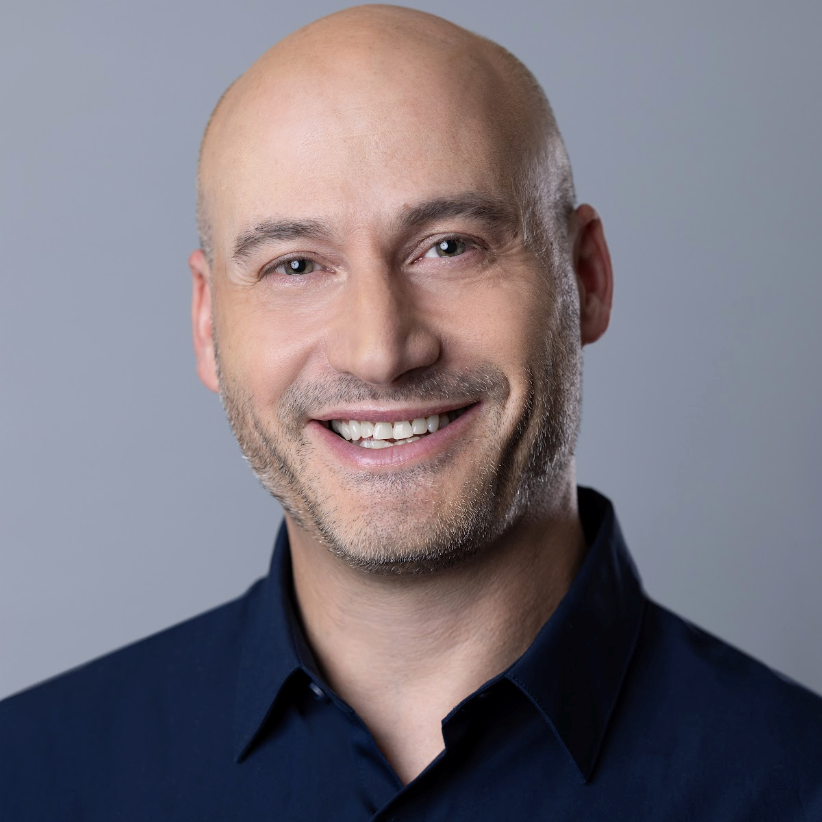


From theme parks and trampoline parks to virtual reality experiences, Josh Cole has built a career around creating brands that spark excitement and loyalty. Throughout his career, Cole has helped grow some of the most recognizable names in entertainment, fitness and immersive experiences, serving as chief marketing officer for Sky Zone, TITLE Boxing Club and Sandbox VR, and holding leadership roles at Universal Studios.
Today, as CMO of Slick City, a growing chain of indoor action and thrill parks famous for offering the first indoor slide parks in the United States, Cole leads the company’s brand strategy, digital marketing, public relations, partnerships and customer engagement efforts. He also oversees franchise marketing initiatives, helping operators drive awareness, attract new customers and build lasting connections within their communities.
You’ve worked across theme parks, fitness, virtual reality and family entertainment. What marketing lesson has stayed with you across those industries?
The speed of change in marketing is incredible, from the technology and tools available for use to the platforms consumers pay attention to. But through it there are some constants. One is that your audience is self-interested and looking to solve their own problems or improve their own situations. Understanding their motivations is foundational (along with being humble enough to realize they don’t think about your brand nearly as much as you’d like). The other is that the people who succeed as marketers are skillful at navigating this change, which includes constant observation, learning and testing.
Slick City has grown rapidly by offering something people haven’t seen before. How do you communicate a completely new category when consumers don’t yet have a frame of reference?
For Slick City, showing truly is better than telling. We’re lucky to have a product that’s both visually appealing – a collection of huge, colorful slides like you’ve probably never imagined before – and action-oriented. It’s hard to think of a product that’s better suited to visuals than Slick City, with guests racing down slides or suspended mid-air as they launch off the one we call Mega Launch. Couple that with the sounds of guests shrieking with excitement or laughing with friends at a birthday party, and it’s clear that leading with images of the experience is the way to go. It’s a big headstart to have natural product attributes that create scroll-stopping visuals which quickly communicate what’s waiting when you walk through the door of a Slick City.
It reminds me of an experience from early in my career. I was an original member of the first dedicated digital marketing team for Universal Studios theme parks, at the dawn of widespread Internet access. Our team wanted to highlight what a guest experiences at peak moments of Universal rollercoasters, in order to get them excited to visit. This sounds obvious now, but at the time one of the most senior executives rejected the idea out of fear that showing the experience would make people think, “I’ve seen it, now I don’t need to go.” He couldn’t have been more incorrect. Seeing the experience only made people want to experience it for themselves. Thankfully, he eventually loosened up about these types of concerns. It’s a reminder of how concepts that are no-brainers today may have been seen quite differently when first conceived.
What role does storytelling play in driving growth?
Storytelling, when done effectively, is part of creating a unique brand that resonates with the target audience and which comes to mind at appropriate moments, namely, when they need a product in your category. In the case of Slick City, these moments include when you start thinking about ideas for your child’s birthday party or when the forecast for a rainy weekend makes you think about indoor family activity options. If Slick City comes to mind unaided, it’s likely thanks to the power of the brand. And people who do think of it unaided are much more likely to wind up on our website booking a party or buying an admission ticket.
At the same time, aided awareness is also of great value because when you’re much more likely to click on a search ad of a company you know than one you don’t. A strong brand results in lower acquisition costs.
Good storytelling can be a pillar of the brand-building process that leads to these better outcomes.It also helps create relevant, authoritative content that improves SEO and increases the likelihood of being featured in AI-powered discovery platforms.
For a franchise business such as Slick City, storytelling also plays an important role in attracting new franchise owners, i.e., b2b franchise marketing. Many franchisees buy into businesses that resonate on an emotional level. Yes, a history of strong financial performance is usually table stakes, but that leaves a lot of choices. You’re more likely to spark interest among potential franchise owners when the financials are coupled with a compelling brand story. In the case of Slick City, this includes being a force for good within the communities we serve by bringing happiness to our guests and generating new job opportunities.
What’s the best piece of career advice you’ve ever received?
The best career advice I ever received wasn’t actually advice. Rather, it was the example my grandfather set. He was a life-learner in the truest sense, always seeking new information and new experiences, whether that was via books, travel or museum visits. He loved discussions and meeting new people. He seemed to know something about everything and up to his final days kept learning. He approached life with an open heart and an open mind, always willing to consider other perspectives and open to changing his mind when new information came available. He was also an extremely early adopter of new technology and was the first person I knew to shop online, in the early ‘90s.
His example rubbed off on me and I credit love of learning, observing, listening, and a willingness to try new things as being the foundation of my career growth. There’s no question in my mind that my grandfather’s example has been crucial to whatever success I’ve had.
If you weren’t working in marketing, what career do you think you would have pursued?
I’ve thought about this “what if” many times. I always land in two places – either a journalist or a psychologist. I think I would have enjoyed either one. In some ways, marketing has been a mixture of them.
What’s one attraction, destination or experience that’s still on your personal bucket list?
I have many, but one for sure is visiting Japan with my wife and kids. My very first job out of college was teaching English in Yokohama, which I did for a few years. I subsequently spent the better part of a year in Osaka as part of the Universal Studios Japan grand opening marketing team. Someday soon, I want to visit again with my family and show them the old apartment building I lived in and so forth. I used to speak Japanese pretty well, but haven’t practiced it in years. Booking a trip will motivate me to start studying again.
Isis Simpson-Mersha is a conference producer/ reporter for Ragan. Follow her on LinkedIn.